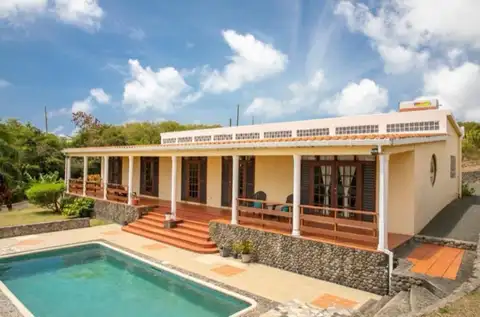

for the right property in the right place, yes. Grenada has several independent sources of demand — St. George’s University, the yachting season, returning diaspora, tourism and Citizenship by Investment — a currency fixed to the US dollar, freehold ownership for foreigners and a lower hurricane exposure than the northern Caribbean. It is a small market, so liquidity and location matter more than anywhere large.
What drives demand
- St. George’s University — thousands of students, faculty and visiting families with a predictable August/January housing cycle. The single most reliable rental engine on the island.
- Yachting — Grenada is a hurricane-season haven; marinas on the south coast fill from November to May with crews who rent, eat and eventually buy.
- Diaspora — Grenadians in London, Toronto and New York coming home to build or retire.
- Tourism — direct flights from New York, Miami, Toronto and London; a boutique rather than mass market, which suits villa rentals.
- Citizenship by Investment — approved-project buyers, mostly in branded resort developments.
What returns look like
Long-term residential lets near SGU and Grand Anse are the steady end of the market: modest yields, very low vacancy. Well-run villa rentals on the south coast earn more per night but carry seasonality and management cost. Land has historically been the capital-growth play — buy a serviced lot, hold, build or sell on. We will show you real numbers from comparable properties rather than a brochure projection.
Where investors look
Lance aux Epines and Grand Anse/Frequente for apartments; True Blue and Calliste for student housing; Egmont, Fort Jeudy and Calivigny for villas and lots; Westerhall and St. David for larger parcels. See best areas to invest.
The risks, plainly
- Liquidity — a small market means selling takes longer than in a big city; price realistically.
- Construction — building costs and timelines can surprise; use recommended builders and budget contingency.
- Weather — lower risk than the north, not zero; insure properly.
- Management — remote ownership needs a reliable local manager.
- Currency of your income — rents are often in EC$ or US$; know which you are earning.