Can foreigners buy property in Grenada?
Yes — here is exactly how it works for Americans, Canadians, Britons and other non-nationals.
For visitors from Toronto, Miami, New York or London: what makes this island different, and why its property market has more than one kind of buyer.
Grenada is a stable, English-speaking Commonwealth country of about 110,000 people with a currency fixed to the US dollar, direct flights from New York, Miami, Toronto and London, a position at the southern edge of the hurricane belt, freehold ownership for foreigners, and steady demand from a university, a yachting season, a diaspora and a citizenship programme. It is a real island with its own culture — not a resort.
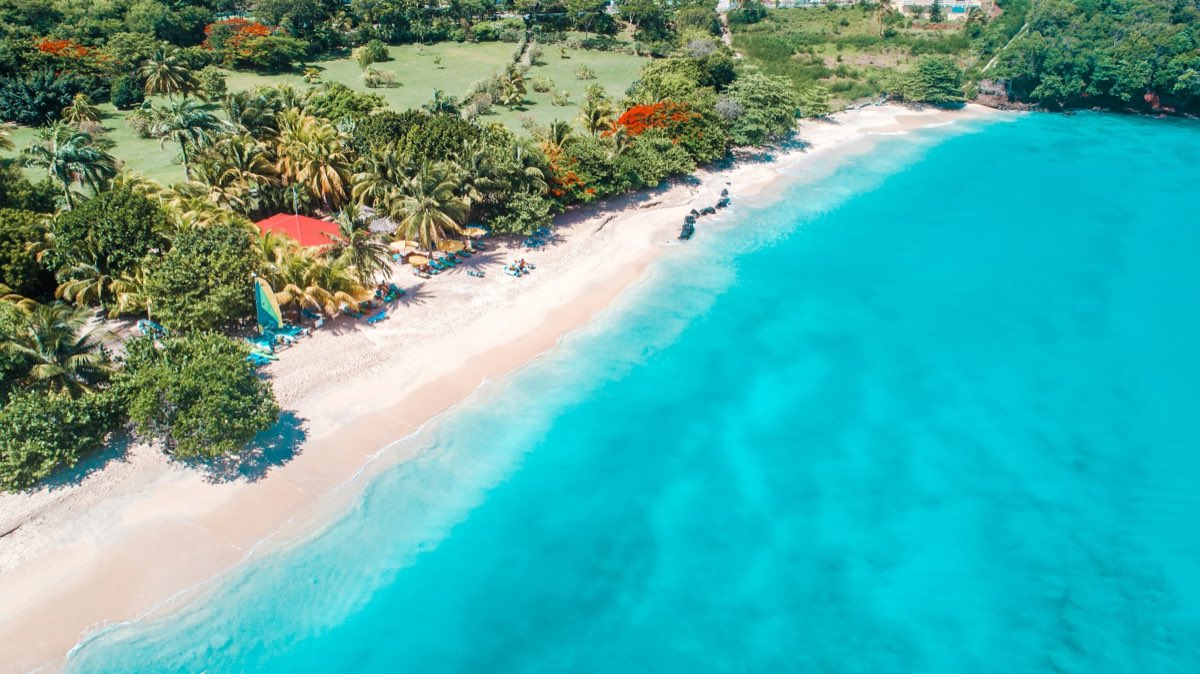
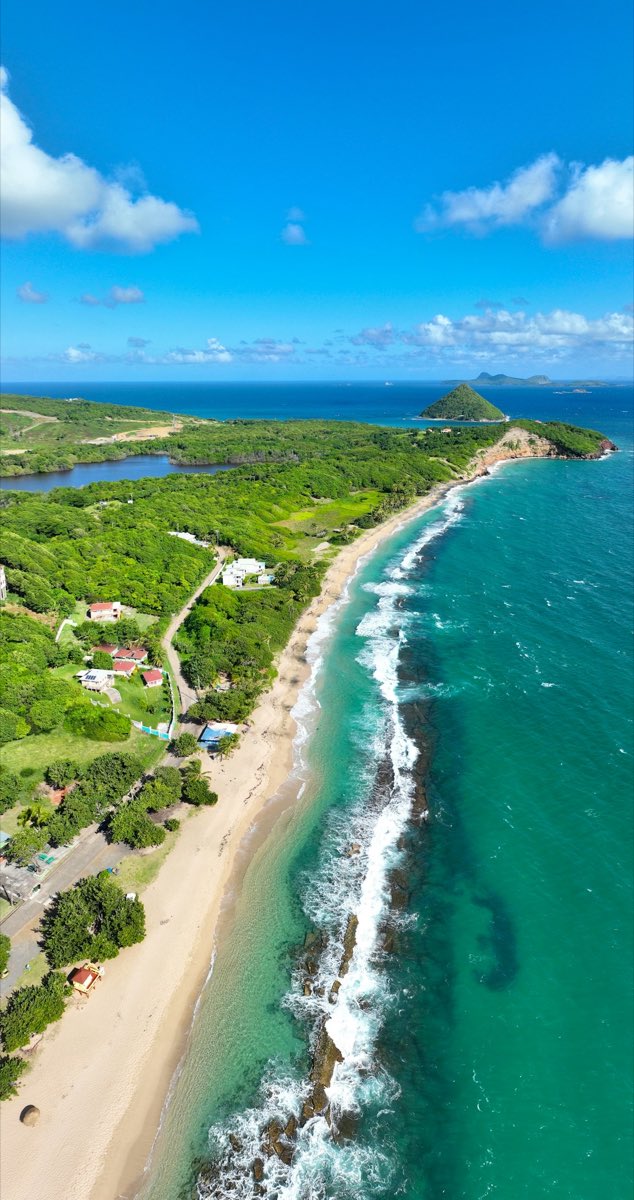
Grenada is about 21 miles long, home to roughly 110,000 people, and still an island of villages, spice estates and fishing boats rather than gated resorts. St. George’s, the capital, has one of the prettiest harbours in the Caribbean; the south coast has the beaches, marinas and the university; the north and east are rainforest, waterfalls and empty sand. English is the official language, the Eastern Caribbean dollar is fixed to the US dollar, and the country is a stable Commonwealth democracy.
Maurice Bishop International Airport, ten minutes from Grand Anse, has direct flights from New York, Miami, Toronto and London plus regional connections across the Caribbean. That matters twice over: for your own visits, and for the rental market — visiting families, medical students and sailors arrive all year.
Grenada sits at the southern edge of the hurricane belt, which is why yachts from across the Caribbean lay up here for the season and why insurers look more kindly on the island than on many of its neighbours. Storms are not impossible, and good construction still matters, but the risk profile is genuinely different from the northern islands.
Demand here is not only holiday-makers. St. George’s University brings thousands of students, faculty and visiting families who need housing on a predictable calendar; the yachting community fills the marinas from November to May; diaspora Grenadians come home to build; and the Citizenship by Investment programme brings approved-project buyers. That mix keeps rentals steady and gives sellers more than one kind of buyer.
Non-nationals own property outright in Grenada with an Alien Landholding Licence — a routine approval your attorney handles. There is no requirement to live here, and property can be held personally or through a company. The buying guide explains the steps.
Nutmeg is on the flag for a reason: Grenada is one of the world’s biggest producers, and cocoa, cinnamon and clove grow alongside it. That heritage shows up in the food, the rum (Westerhall, River Antoine, Clarke’s Court), the chocolate, and in August in Spicemas, the island’s carnival. Living here means being part of a place with its own culture — not a place that exists for visitors.
 Buying
Yes — here is exactly how it works for Americans, Canadians, Britons and other non-nationals.
 Lifestyle
From the beach corridor to the hills above the harbour to the quiet north — where different people end up, and why.
 Investing
An honest look at what drives demand here, what returns look like, and where the risks are.
One WhatsApp message and Devon replies personally — buying, selling, renting, or just wondering whether Grenada is for you.
no pressure, no pop-ups, just a reply